| | | | | | | Presented By The Coalition for Affordable Prescription Drugs | | | | Vitals | | By Caitlin Owens ·Sep 16, 2020 | | Good morning. Today's word count is 1,143, or a 4-minute read. | | | | | | 1 big thing: The pandemic's all-encompassing racial disparities |  Reproduced from Kaiser Family Foundation; Chart: Axios Visuals Racial disparities exist at every stage of the coronavirus pandemic, according to a new report by the Epic Health Research Network and the Kaiser Family Foundation. Why it matters: The more we learn about the coronavirus' disproportionate impact on people of color, the clearer it becomes that this is much more than just a health care problem. The big picture: Non-white Americans are more likely to be diagnosed with the coronavirus, more likely to suffer serious illness, more likely to be hospitalized because of the virus, and more likely to die from it, the report found. By the numbers: Death rates for Black and Hispanic coronavirus patients were more than twice as high as the rate for white patients, and they were at least twice as likely to test positive, even though testing rates didn't vary much by race or ethnicity. - Larger shares of people of color were tested in an inpatient setting — a sign that they'd been experiencing symptoms — and they were more likely to be sick enough to require oxygen or ventilation when diagnosed.
Between the lines: The higher coronavirus infection rate among people of color "likely reflects their increased risk of exposure to coronavirus due to their work, living, and transportation situations," per the report. - It notes that despite higher exposure to the virus, people of color don't get tested at higher rates than white people and concludes that "people of color may face increased barriers to testing that contribute to delays in them obtaining testing until they are in more serious condition."
- Higher hospitalization and death rates for people of color aren't fully explained by individual socioeconomic factors or underlying health conditions, per the report. "This finding suggests that other factors, including racism and discrimination, are negatively affecting their health outcomes through additional avenues," it concludes.
|     | | | | | | 2. Exclusive: The first full at-home COVID-19 test |  | | | | Gauss, a computer vision startup, and Cellex, a biotech company that works on diagnostics, are announcing the first rapid COVID-19 test that can be fully performed by people at home without involving a laboratory, Axios' Bryan Walsh reports. Why it matters: Experts agree that the U.S. still needs far more widespread testing to help contain the coronavirus pandemic. An antigen test that could be performed and provide results rapidly at home could help reduce testing delays and allow people to quickly find out whether they need to isolate because of a COVID-19 infection. How it works: In the antigen test, which was developed by Cellex, a user will take a nasal swab to both nostrils, and then place the swab in a small vial filled with a buffer solution. - Four droplets from the tube are placed on a rapid test cassette, and test lines will show up of varying intensity, based on whether and how much virus is in the sample.
- Users will then take a picture of the rapid test, and the Gauss app will use AI to deliver back the results — all within 15 minutes.
Of note: While other rapid diagnostics have been developed that allow users to test themselves at home, those earlier methods still required people to send in samples to a lab or health facility for processing. - The Gauss/Cellex diagnostic would be the first test that can be done to completion at home.
| | | | | | | | 3. West Coast wildfires pose coronavirus risk | | The wildfires raging in the West are obviously horrendous on their own, but they're also raising the risk of further coronavirus spread, the Wall Street Journal reports. Between the lines: It's harder for people to take appropriate coronavirus precautions when they're being forced from their homes, or when the air quality is as bad as it is. - Thousands of Oregonians are staying at evacuation shelters, where they're allowed to sleep without masks. Other people have evacuated and are staying with friends and family, increasing household mingling.
- Testing sites from Los Angeles to northern Washington have been forced to close due to smoke from the fires. County officials in Northern California are pressing the state to allow indoor dining at restaurants because of the poor air quality.
- Peter Chin-Hong, an infectious-disease specialist at the University of California, San Francisco Medical Center, told the WSJ that smoke also makes it easier for people to become infected by the virus by irritating the lining of their throats and making it "easier for the virus to land."
What they're saying: "We're telling people to stay home, stay inside, close the windows" to maintain decent air quality, Jennifer Vines, health officer for Multnomah County, Oregon, told the Journal. "That goes against so much of our Covid messaging about good ventilation and taking activities outside to lower the risk of spread." | | | | | | | | A message from The Coalition for Affordable Prescription Drugs | | Drug companies abuse the patent system and keep prices high | | | 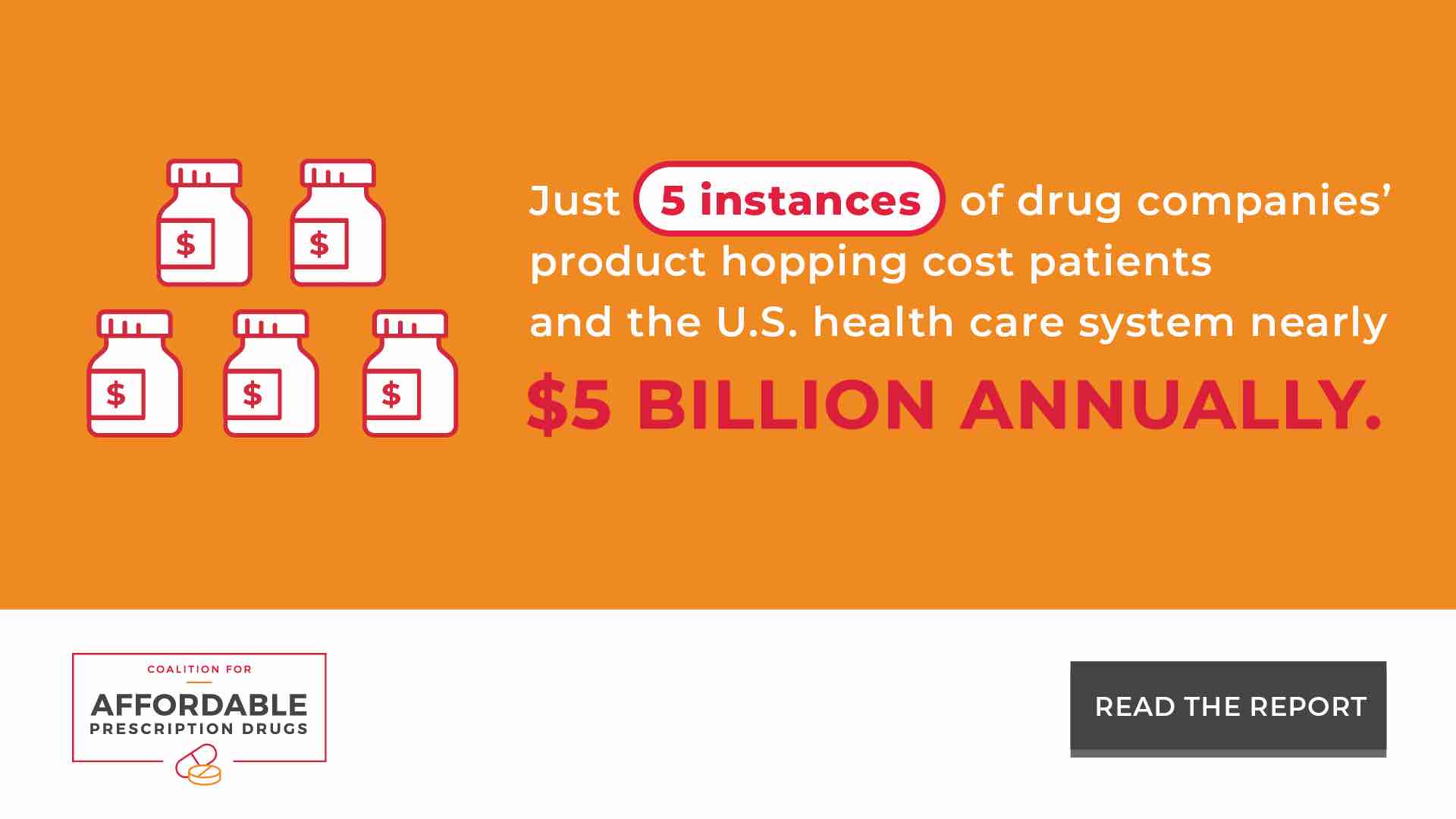 | | | | Product hopping circumvents generic competition and allows brand drug companies to charge higher prices longer. Read more in the report. | | | | | | 4. America's reputation has plummeted |  Data: Pew Research Center; Chart: Axios Visuals The U.S. has suffered a steep decline in its global image and reputation in the aftermath of its response to the coronavirus pandemic, a new survey from the Pew Research Center shows. The big picture: Since the start of the Trump administration in 2017, the global view of the U.S. has steadily declined, Axios' Kate Nocera writes. However, positive views of the U.S. are now at record lows according to Pew, and in none of the 13 countries surveyed "do more than a fifth think the U.S. has done at least a somewhat good job dealing with the virus." Details: At least 8 in 10 people in the 13 countries surveyed say the "U.S. has handled the virus badly." - Only one-third of Canadians view the U.S. positively. In Germany, only 26% of people have a positive view of the U.S., and only 10% have confidence in Trump's ability to handle world affairs.
- South Korea holds the highest views of the U.S. among the countries surveyed, and it's the only one where a majority sees the U.S. positively at 59%. That's still a significant drop from 2017 when 75% of South Koreans held positive views about America.
The survey also looked at the views of five world leaders in addition to Trump. Even though confidence in Russian President Vladimir Putin (23%) and Chinese President Xi Jinping (19%) is extremely low, Trump (16%) still ranks below them among people in the 13 countries. | | | | | | | | 5. Catch up quick |  | | | Illustration: Aïda Amer/Axios | | | | The coronavirus killed at least 121 people under 21 years old across the U.S. between Feb. 12 and July 31, according to a study published Tuesday by the Centers for Disease Control and Prevention. JPMorgan Chase said Tuesday the bank has sent a number of its employees in New York City home after an unspecified number tested positive for the coronavirus, Bloomberg first reported. Opioid overdoses have spiked during the coronavirus pandemic, Linda Porter, director of the Office of Pain Policy at the National Institutes of Health, said on Tuesday during an Axios virtual event. People with opioid-use disorder have had "an extremely difficult time" getting medical treatment or behavioral therapy during the pandemic, Porter said. A bipartisan group of 50 House members known as the Problem Solvers Caucus unveiled a roughly $2 trillion coronavirus stimulus bill on Tuesday amid frustration with congressional and White House leaders for failing to deliver desperately needed aid to Americans. Nearly 30 million Americans are spending their 20s in the same place they spent their grade school years: at home with their parents, Axios' Erica Pandey writes. For the first time since the Great Depression, the majority of 18- to 29-year-olds have moved back home. | | | | | | | | A message from The Coalition for Affordable Prescription Drugs | | Product hopping by drug companies threatens Rx competition | | | 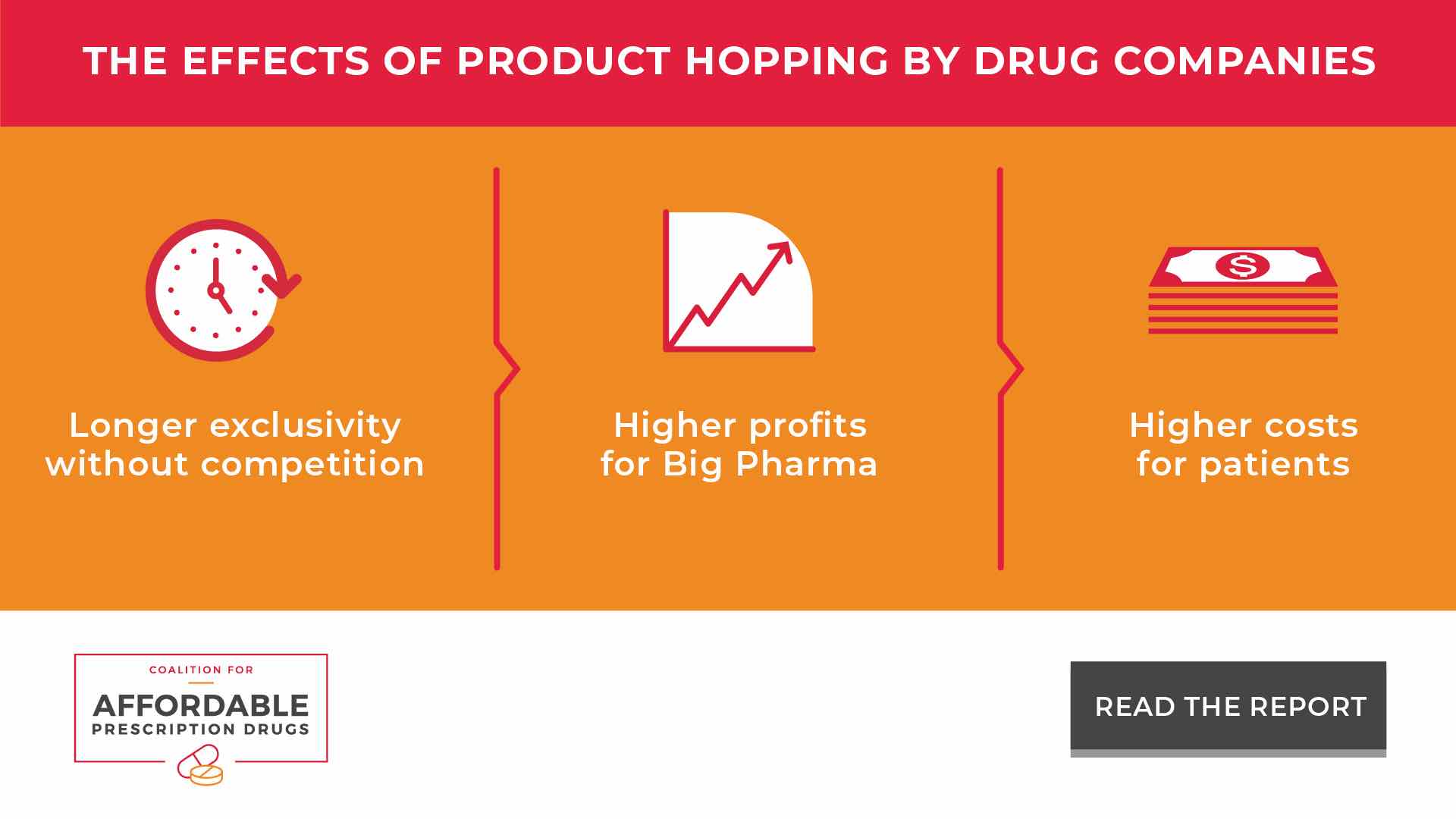 | | | | New data: Five instances of product hopping cost the U.S. health care system nearly $5 billion dollars annually. Halting this practice could save the system billions more. Read the report. | | | | | | Axios thanks our partners for supporting our newsletters.
Sponsorship has no influence on editorial content. Axios, 3100 Clarendon Blvd, Suite 1300, Arlington VA 22201 | | | You received this email because you signed up for newsletters from Axios.
Change your preferences or unsubscribe here. | | | Was this email forwarded to you?
Sign up now to get Axios in your inbox. | | | | Follow Axios on social media:    | | | | | |


 اللباس التقليدي الحضرمي للرجال مرحبا بكم في سلسلة اللباس التقليدي الحضرمي .. لنتعرف معا على تراثنا ...وربما أن بعض هذه الملابس لم تعد مس...
 شغل الشاعر سعيد فرج باحريز رحمه الله الناس في المكلا وحضرموت عموماً باشعاره التي كانت لها مدلولات عميقة وثاقبة ومعانٍ بليغة وحكيم...

